If you love the idea of a historic home, Irvington gives you more than charm. It offers a whole streetscape shaped by the Hudson River, railroad-era growth, and generations of careful building. If you are thinking about buying, renovating, or eventually selling a historic home here, it helps to understand what makes these properties special and what thoughtful updates really look like. Let’s dive in.
Why Irvington’s historic homes stand out
Irvington’s appeal is not just about one famous house or one preserved block. The village’s historic character comes from the way many buildings work together, especially in the Main Street and waterfront areas. Village background materials note that the Main Street area alone has more than 200 structures built between 1850 and 1930.
The Irvington Historic District was listed on the National and New York State Registers of Historic Places in 2014. According to the village, the district includes 213 contributing buildings across about 60 acres. That gives buyers and owners a clearer picture of why preserving scale, materials, and visible details matters so much here.
Irvington also reflects several layers of local history. The Irvington Historical Society points to Dutch colonial roots, with the Odell Tavern described as the oldest extant building in the village, and to the late 19th- and early 20th-century estate era that brought homes such as Ardsley, Wendel, and Beltzhoover into the local story.
Common historic styles in Irvington
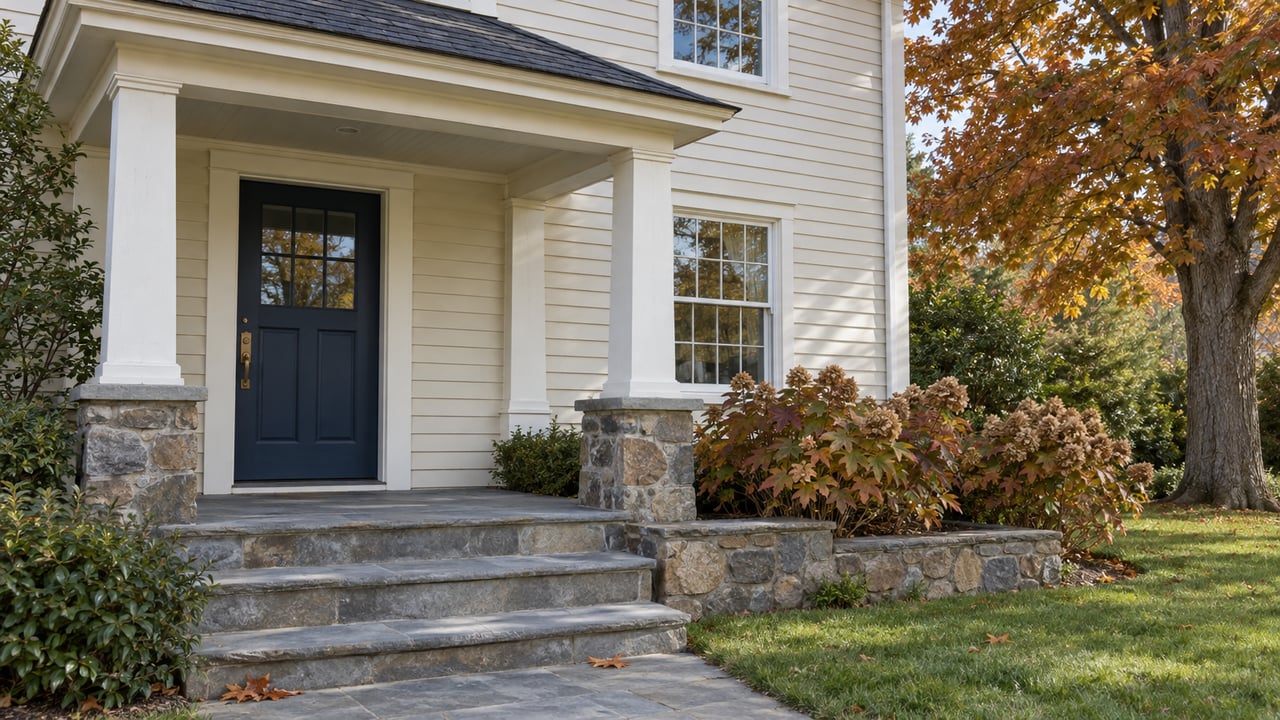
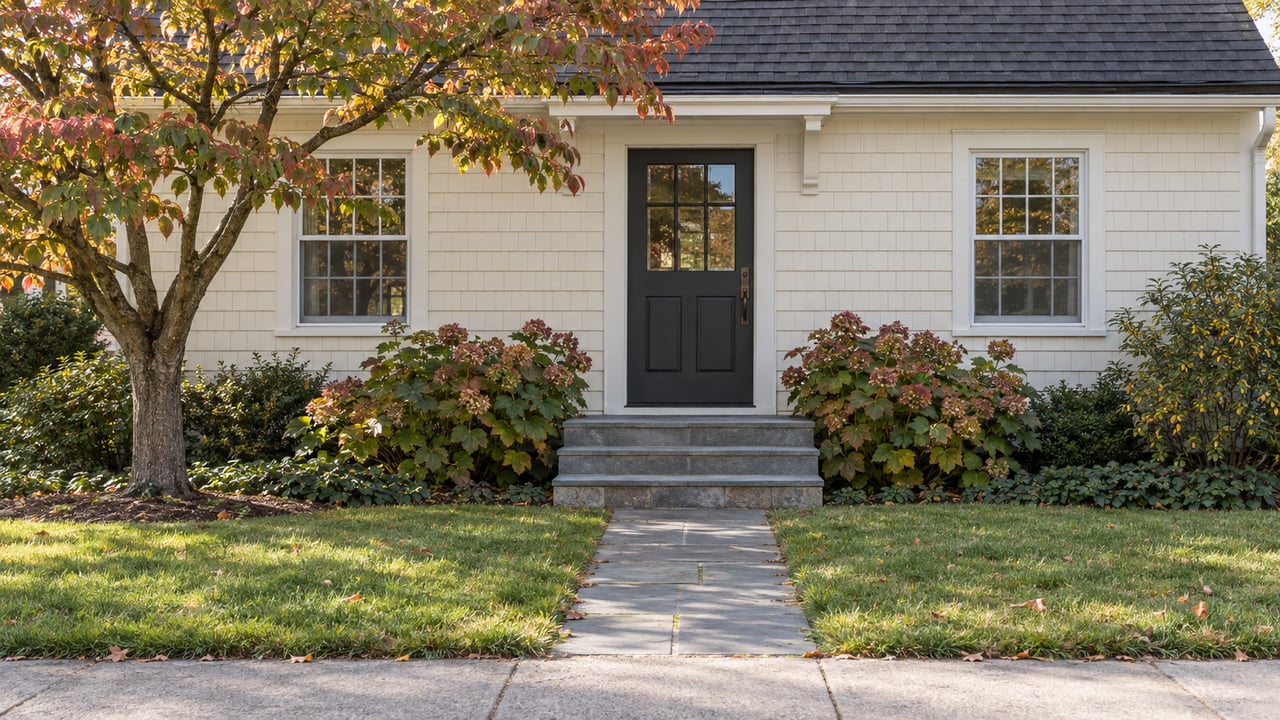
If you walk through Irvington, you will see variety, but there are some recurring patterns. Many residential buildings in the historic district are wood-framed two- or three-story homes with rectangular forms, gabled or hipped roofs, symmetrical street-facing facades, and porches, especially along the front.
The village Design Guide identifies a wide mix of architectural styles found locally, including:
- Greek Revival
- Gothic Revival
- Italianate
- Second Empire
- Stick style
- Folk Victorian
- Queen Anne
- Colonial Revival
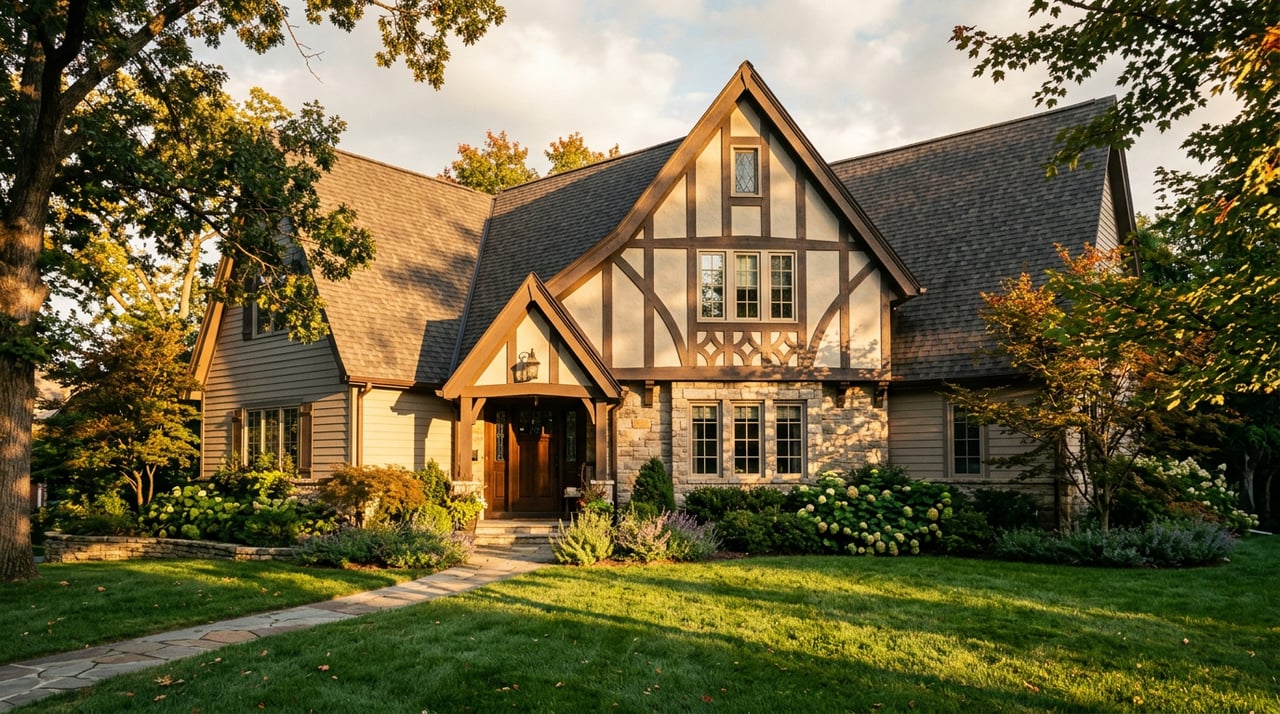
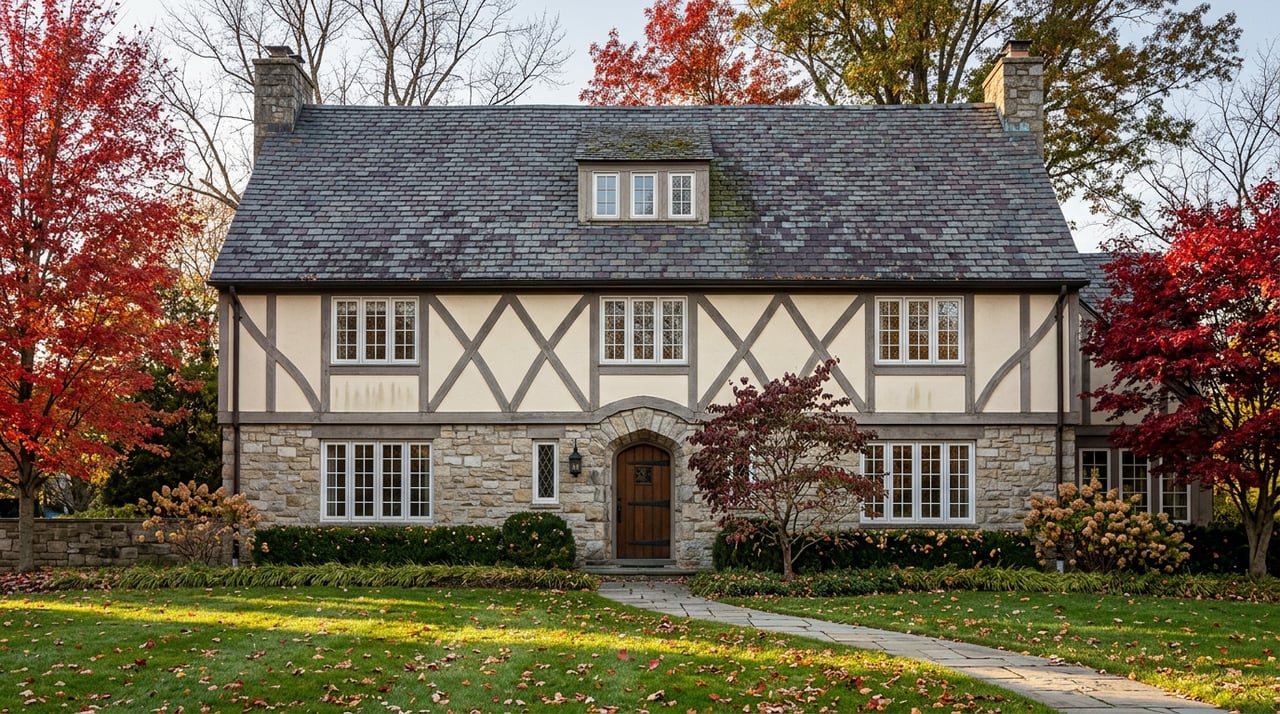
- Tudor Revival
- Brick rowhouse forms
For larger residences, Queen Anne is especially common. Colonial Revival homes often feature a rectangular form, a prominent entry, and classical porch details. For buyers, that means two homes on the same street can feel very different, even when they share the same historic setting.
What thoughtful renovation really means
A thoughtful renovation does not mean freezing a house in time. In Irvington, the village Design Guide is intended to help owners, builders, realtors, and designers make compatible choices, but it is not a separate regulatory layer. The village has also said the guide does not generally require original materials to be restored.
That is important if you are trying to balance modern living with historic character. You can update a home for how people live today without stripping away the features that make it feel rooted in place.
In practical terms, the most important character-defining elements are usually:
- Overall proportions
- Roof form
- Exterior materials and trim
- Porches
- Windows and doors
- Fences and walls
- Paving and landscape features
- Exterior lighting
The guide favors repairing and preserving existing historic components when possible rather than replacing everything at once. It also recommends studying old photographs or looking at comparable houses before making major design changes.
Smart updates that respect the house
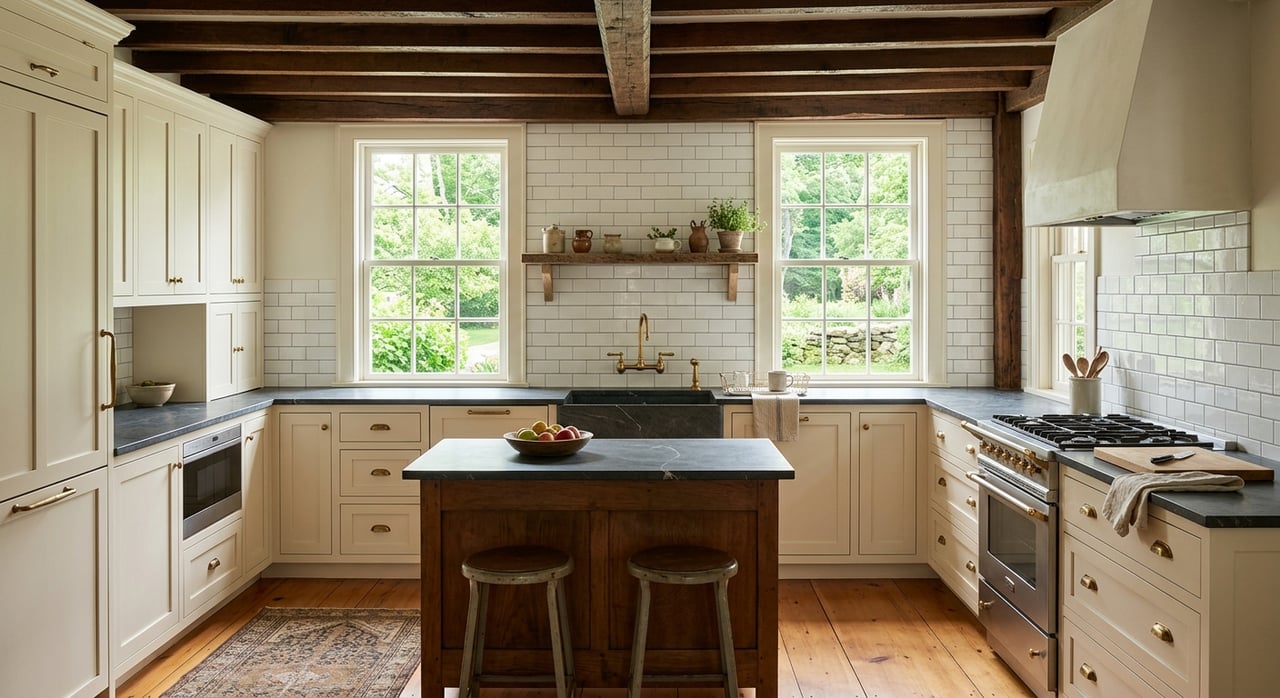
Kitchens and baths can absolutely be modernized in a historic Irvington home. The strongest updates usually feel intentional and restrained, not overly flashy or disconnected from the house.
A good working approach is to preserve visible millwork, maintain window proportions, and keep room relationships where possible. Mechanical upgrades can often be handled more discreetly so the home functions better without changing the parts that give it character.
This matters for daily enjoyment, but it can also matter later if you sell. Buyers often respond well when renovations feel cohesive, the front elevation remains visually appropriate, and the home has a clean record of permits and approvals.
Which projects often need permits
Before you start planning, it is worth knowing that many common renovation projects in Irvington require permits. The village uses an online permit system, and permit requirements cover more than major structural work.
According to the village, projects that commonly require permits include:
- Bathroom remodels
- Kitchen remodels
- Electrical work
- Plumbing work
- HVAC replacements
- Roof work when sheathing is exposed
- Interior alterations that create or relocate space
- Windows in some situations
- Siding
- Fences
- Decks
- Patios
- Retaining walls
- Pools and spas
- Solar panels
Electrical, plumbing, and related work must be filed by Westchester County licensed contractors. If structural changes are part of a kitchen or bath remodel, the village says drawings from a licensed design professional are required.
When Board review may apply
If your property is in the Historic Overlay District or is a local landmark, exterior work may involve more than a building permit. In those cases, the Board of Architectural Review, often called the ARB, may need to review the proposed work.
The village code says no contributing building in the Historic Overlay District may be demolished without ARB approval. The code also defines demolition broadly, including removal of all or a substantial portion of a building. For local landmarks, exterior demolition, alteration, restoration, or reconstruction also requires Board approval.
Ordinary maintenance is allowed if it does not change design, materials, or outward appearance. The purpose of ARB review is compatibility and harmonious development, not personal taste, which is a useful point for owners who may feel nervous about the process.
Applications that require ARB review must be filed at least 10 days before the next scheduled meeting. The board meets on the second and fourth Monday of each month.
Exterior changes deserve extra care
Some projects have an outsized effect on how a historic home reads from the street. Additions, decks, patios, sheds, retaining walls, and solar panels can change a property’s scale, coverage, or exterior appearance, so they deserve more planning at the front end.
The Design Guide suggests that new work should read as secondary to the original house rather than compete with it. That can mean keeping an addition visually subordinate, choosing materials that relate to the existing structure, or placing new features where they have less impact on the primary facade.
Windows also deserve careful attention. The village notes that window type, grill pattern, location, and whether the home is in the Historic District can affect whether a building permit alone is enough or whether additional notice or ARB review is needed.
Renovation choices and future resale
If you are renovating with resale in mind, compatibility usually wins over excess. Historic renovations tend to show best when they preserve the home’s identity while making it easier to live in today.
That often means keeping front-facing details coherent, avoiding design choices that overpower the original structure, and documenting the work clearly. A clean permit trail and approved exterior changes can give future buyers more confidence, especially in a village where review and compliance are part of the ownership picture.
Irvington’s landmark code explicitly states that preservation can protect property values. The village has also said that historic district designation can open up grant or assistance opportunities, which adds another layer of long-term value for some owners.
Tax credit points to know
Some owners may qualify for New York’s Historic Homeownership Rehabilitation Tax Credit. According to New York State Parks, this is a 20% state income tax credit on qualified rehabilitation expenses for certain owner-occupied historic homes.
Eligibility depends on several factors. The home must be listed individually on the State and National Registers or be a contributing building in a listed historic district, it must be in a qualifying census tract, spending thresholds must be met, and the project must be approved before work begins.
For income-producing historic properties, different rules may apply through separate state and federal programs. Because program guidance and tax laws can change, owners should confirm eligibility with the State Historic Preservation Office and a tax professional before starting work.
A practical path for buyers and owners
If you are considering a historic home in Irvington, the goal is not perfection. The goal is understanding what you are buying, what improvements are possible, and how to make updates that respect both your lifestyle and the setting around you.
Start with the house itself. Look closely at rooflines, porches, windows, trim, and how the home sits on the lot. Then match your renovation wish list against village permit requirements and, if relevant, possible ARB review.
That early homework can save time, reduce stress, and help you invest with more confidence. Historic homes can be deeply rewarding, especially when the updates feel measured, well-documented, and true to the house.
If you are weighing a purchase, planning improvements, or preparing to sell a character-filled home in Westchester, Elka Raved can help you think through the details with a local, practical lens.
FAQs
What makes Irvington historic homes distinctive?
- Irvington’s historic appeal comes from a collection of buildings and streetscapes, especially in the Main Street and waterfront areas, with many structures dating from 1850 to 1930.
Do Irvington historic homes have to be restored exactly?
- No. The village Design Guide is a resource, not a separate regulatory layer, and the village says original materials do not generally have to be restored in every case.
Do kitchen and bath remodels need permits in Irvington?
- Yes. The village lists both kitchen and bathroom remodels as projects that require building permits, and structural changes may require drawings from a licensed professional.
Do Irvington window replacements need review?
- Sometimes. The need for a permit alone or additional review can depend on the window type, grill pattern, location, and whether the home is in the Historic District.
When does the Irvington ARB review a project?
- ARB review may apply to exterior demolition, alteration, restoration, or reconstruction for local landmarks and to demolition of contributing buildings in the Historic Overlay District.
Can Irvington historic homeowners qualify for a tax credit?
- Some may. New York offers a 20% Historic Homeownership Rehabilitation Tax Credit for certain owner-occupied historic homes that meet listing, location, spending, and pre-approval requirements.