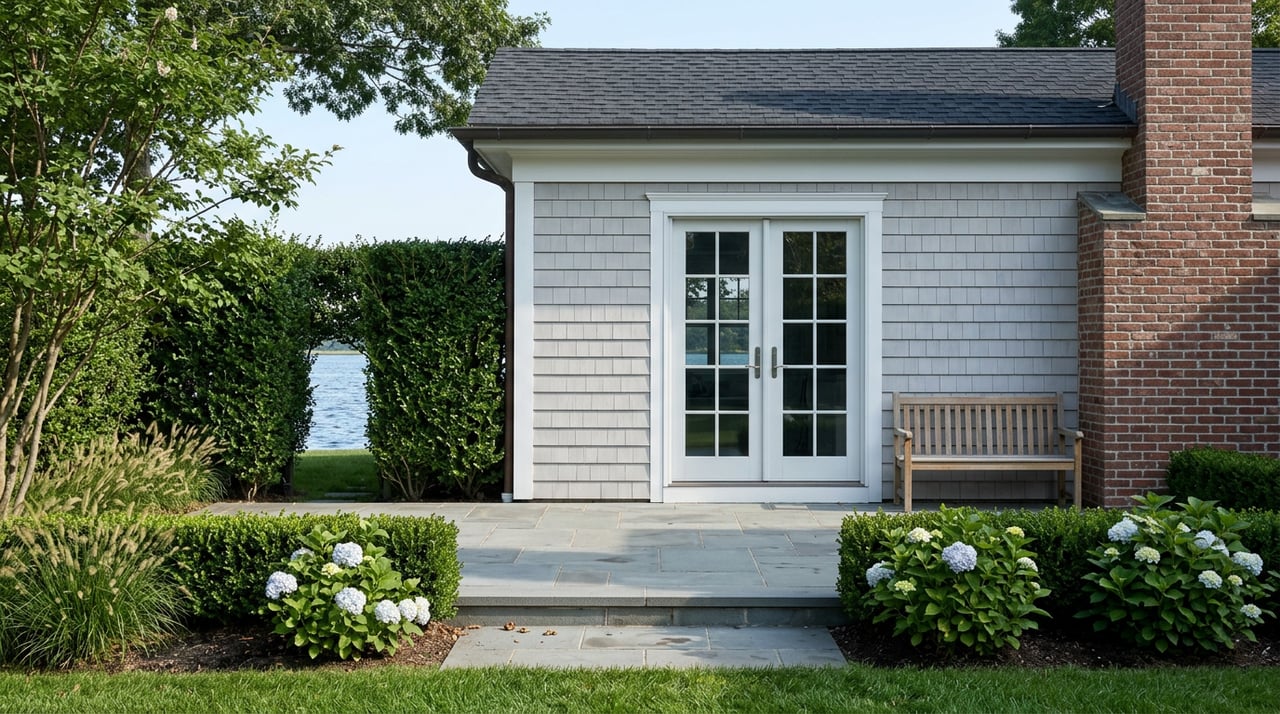
If your perfect weekend starts on the water, Mamaroneck puts Long Island Sound at your doorstep. You get an active harbor, easy park access, and a true boating culture that shapes daily life. Whether you picture sunrise paddles, junior sailing, or dinner near the docks, this guide walks you through the neighborhoods, home types, boat access, costs, and key due diligence steps. Let’s dive in.
The waterfront at a glance
Mamaroneck sits on a protected harbor where the Mamaroneck and Sheldrake Rivers meet the Sound. The shoreline blends residential streets, private clubs, and working marine yards around two harbor basins. The Village’s Local Waterfront Revitalization Program documents roughly 200 acres of harbor waters and an inventory of hundreds to about 1,500 moorings and dock spaces across public, private, and commercial operators (Village LWRP working draft).
Public access centers on Harbor Island Park, the Village’s signature waterfront green space. Many beaches, docks, and pools along the shoreline are privately controlled through clubs or marinas, so it helps to know what is publicly available and what requires membership or assignments.
Harbor Island Park: now and next
Harbor Island Park covers about 44 acres with beach areas, playgrounds, athletic fields, and long views out to the Sound (Harbor Island Conservancy). The Village has been pursuing vendors and a year-round restaurant at the park to boost off-season activity and dining options (reporting on Harbor Island RFPs). For many buyers, being able to stroll to Harbor Island for a walk, soccer game, or kayak view is a daily lifestyle win.
Boating culture, marinas, and clubs
Marinas and boatyards
Mamaroneck supports serious boating. Full-service yards and marinas provide slips, winter storage, and repairs. A few examples include Nichols Yacht Yard in the inner harbor and several other commercial facilities nearby. Seasonal operations, haul-out schedules, and service capacity are all part of local planning.
Yacht and beach clubs
Traditional waterfront clubs combine social life with boat access. Membership-based options such as Beach Point Club and Orienta Beach Club typically offer private beach access, pools, tennis, and marina facilities. Slip and mooring availability can be limited, so timing and waitlists matter for buyers who expect immediate boat access.
How moorings and slips work here
Some moorings and municipal docks are administered by the Village Harbor Master, with rules, assignments, and potential waitlists outlined in local planning documents (see the Village LWRP working draft). If a home references a dock, mooring, or club slip, confirm whether it is deeded, transferable, or subject to a separate assignment or membership.
Home types on (and near) the water
You will find a mix of properties and price points around the harbor:
- Direct waterfront single-family homes. Bulkheaded lots, private stairs, and sometimes private docks or moorings. These trade at a premium and often reach into the seven figures for deep-water access.
- Club-area single-family homes. Near private beach or yacht clubs with amenity access through membership.
- Townhomes and waterfront condos. Small complexes near the harbor or along Boston Post Road, with varying views and walkability.
- Water-view or walk-to-water homes. Not on the shoreline but close to Harbor Island Park, marinas, and downtown.
Public market trackers commonly show the overall Mamaroneck median in the high 800s to mid 900s, while direct waterfront estates sell well above the general median. Expect a range rather than a single number, and plan for the waterfront premium in both purchase and ongoing costs.
Neighborhood snapshot
- Orienta. A peninsula area near the harbor mouth with streets that fan toward the Sound. Private club options, including Orienta Beach Club, shape lifestyle and access.
- Shore Acres. Quiet shoreline blocks with a community-club tradition and harbor proximity. Many homes value views and access to local club amenities.
- Harborlawn and the West Basin. Near working boatyards and marinas, with quick access to Harbor Island Park and village amenities.
- Downtown harborfront. Walkable to restaurants and shops with a short hop to the Mamaroneck station on the Metro-North New Haven Line for NYC commutes.
What waterfront buyers value most
- Direct access and water depth. Verify whether a slip, dock, or mooring is deeded, assigned, or tied to club rules, and ask about depths for your boat type as well as tidal considerations (see the Village’s harbor guidance in the LWRP).
- Views and privacy. Orientation, bulkhead setbacks, tree lines, and neighbor spacing influence daily enjoyment and resale.
- Walkability. Many buyers prize short walks to Harbor Island Park, marinas, and downtown dining (Harbor Island Conservancy).
- Commute and transit. Metro-North access keeps the NYC commute practical from Mamaroneck (Mamaroneck station).
- Resiliency and insurance. Elevation, bulkhead condition, and recent storm history matter. The Village has pursued grants for green infrastructure and floodplain restoration, reflecting active planning around flood risk (Village e‑newsletter).
Costs to expect on the water
Waterfront living adds line items beyond a typical inland purchase. Budget for:
- Insurance. Flood insurance pricing uses FEMA’s Risk Rating 2.0 methodology, which weighs location, elevation, and distance to water. Get quotes early to avoid surprises (FEMA overview).
- Shoreline maintenance. Bulkhead inspections, seawall work, and occasional neighborhood or municipal assessments may arise. Harbor sedimentation and periodic dredging are documented in local plans (Village LWRP).
- Marina and club fees. Membership dues, assessments, and seasonal slip or mooring costs vary by club and facility (see examples at Beach Point Club and Orienta Beach Club).
Buyer due diligence checklist
Use this quick checklist as you evaluate any waterfront or near-water property:
- Flood zone and insurance. Confirm FEMA flood map designation and obtain quotes under NFIP and private options. Ask for any elevation certificates (FEMA Risk Rating 2.0 explainer).
- Dock and mooring rights. Determine whether rights are deeded, leased, assigned by the Harbor Master, or tied to a club, and clarify transfer rules and fees (see the Village LWRP).
- Bulkhead and shoreline condition. Request recent inspections, repair history, and any planned assessments. Dredging and sedimentation cycles can affect access (documented in the Village LWRP).
- Marina details. If you expect slip access via a yard, verify slip length/beam limits, season dates, and winter storage capacity (example: Nichols Yacht Yard).
- Permits and zoning. New docks, additions, or shoreline work typically require approvals and floodplain development permits (local code reference).
- Club memberships. Clarify dues, assessments, guest rules, and any boat policies before you rely on club access (Beach Point Club).
Ready to explore waterfront living?
If you want the Sound at the center of your day, Mamaroneck delivers. From club culture to kayak launches and an easy rail commute, the harbor lifestyle can be both energizing and low-key. If you are weighing neighborhoods, access, and true costs, connect for a tailored plan and on-the-water property search with Elka Raved.
FAQs
Is waterfront living in Mamaroneck expensive?
- Overall medians for the Mamaroneck market often land under 1 million dollars in public summaries, while direct waterfront homes commonly command a higher premium, frequently into seven figures for deep-water parcels.
How do moorings and slip assignments work in Mamaroneck?
- Some municipal docks and moorings are administered by the Village Harbor Master with rules, assignments, and potential waitlists; confirm whether rights transfer with a home or depend on a separate process (see the Village’s harbor planning in the LWRP).
How should I think about flood risk and insurance near the harbor?
- Start with FEMA flood maps, obtain quotes under NFIP and private markets, and consider elevation and bulkhead condition; the Village has pursued grants for flood mitigation and restoration while FEMA’s Risk Rating 2.0 sets pricing factors (FEMA overview and Village e‑newsletter).