Are you thinking about buying a home in Scarsdale but unsure where to start? You want a clear plan, realistic timelines, and local insight, especially with a market that moves fast. In this guide, you’ll learn the step-by-step process, what to expect with inspections and contingencies, the taxes and closing costs unique to New York, and how to compete with confidence. Let’s dive in.
Scarsdale market at a glance
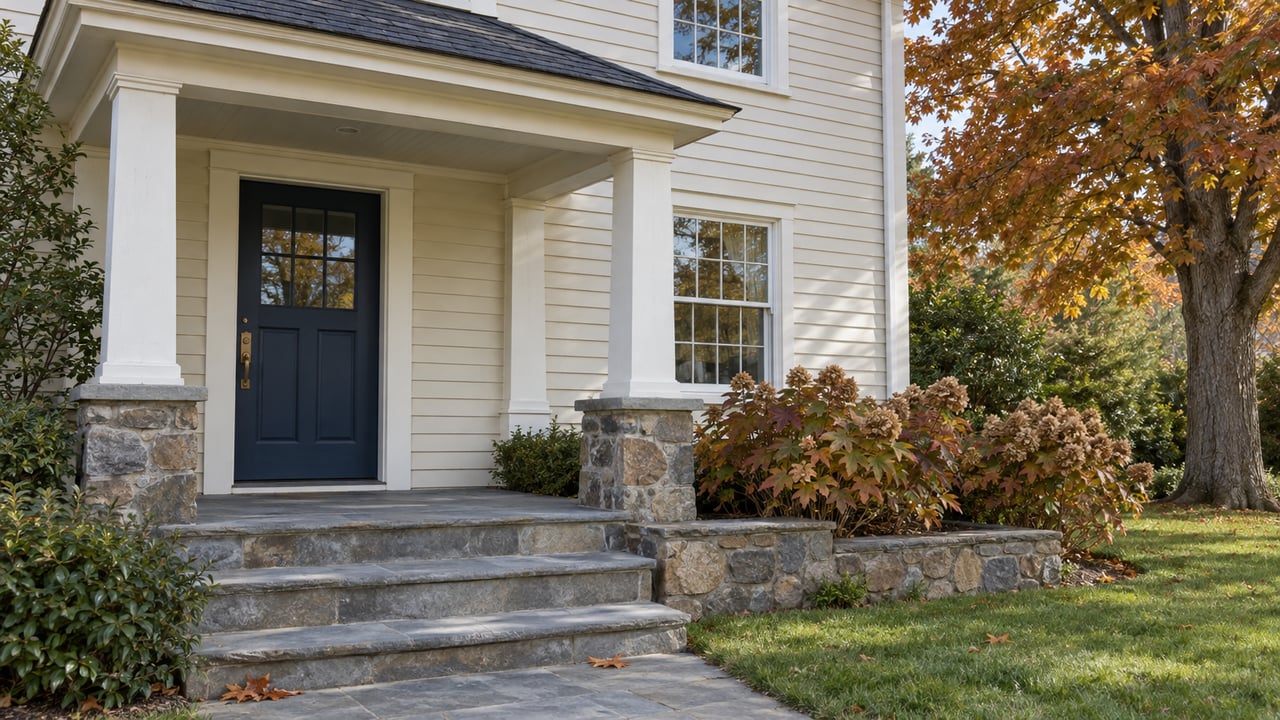
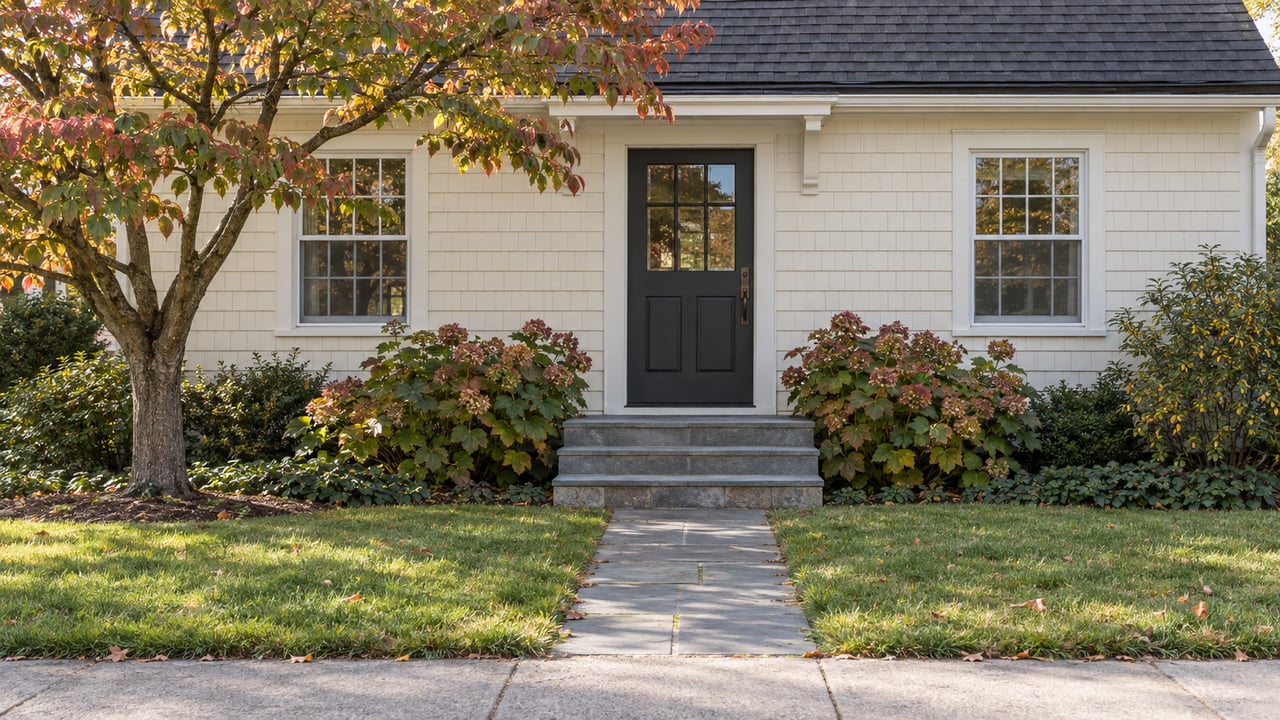
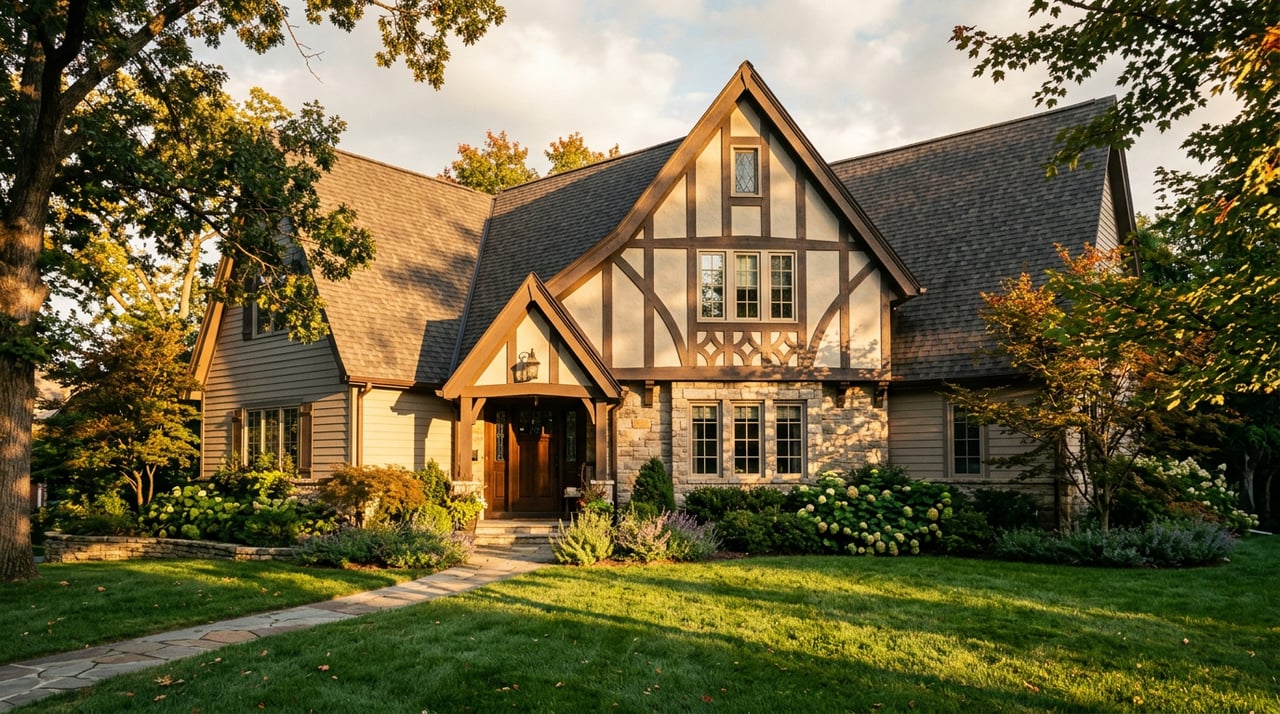
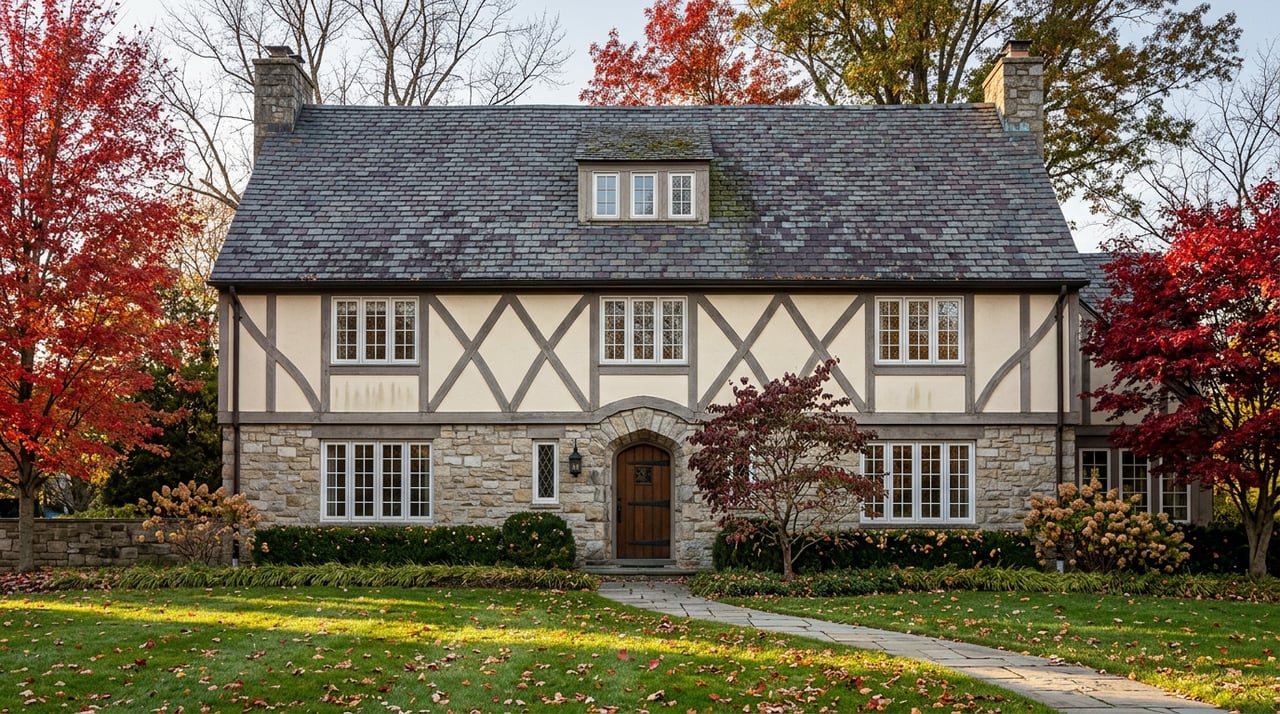
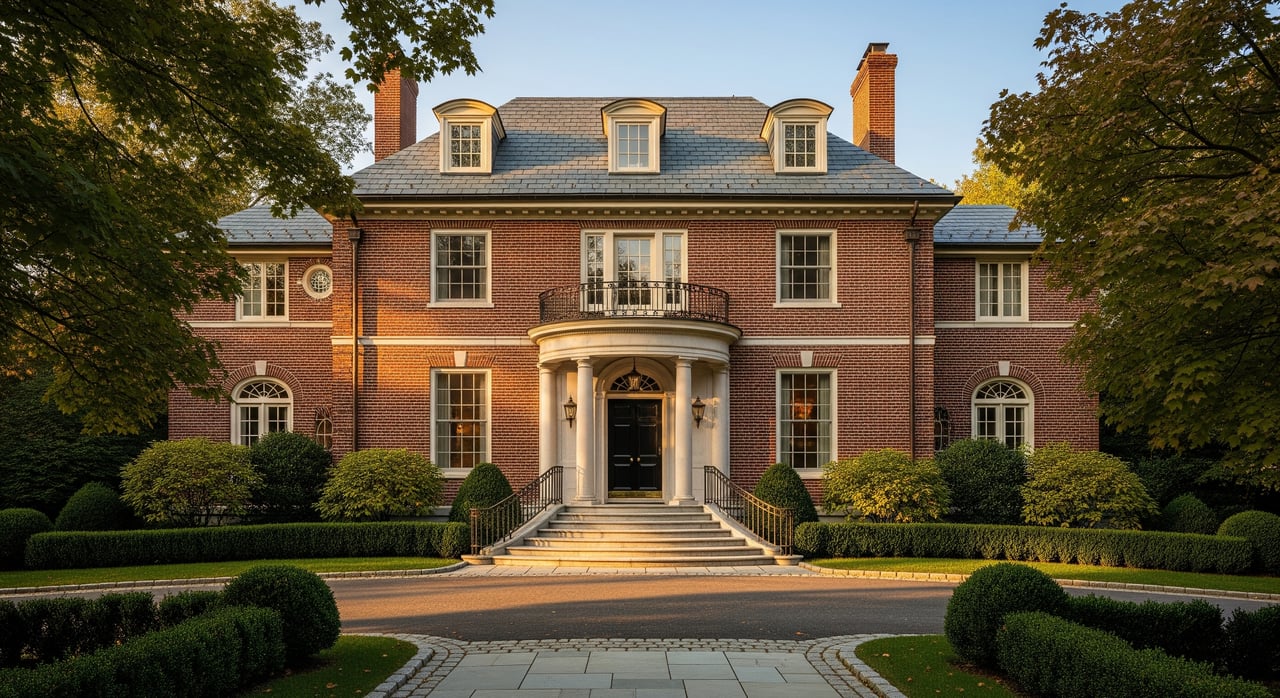
Scarsdale is known for its mostly single-family homes, including Colonial, Tudor, and mid-century styles. You will also find some condos, townhomes, and a limited number of co-ops. Inventory is often tight, which can create competition for well-presented listings.
Many buyers prioritize being within the Scarsdale Union Free School District. School district boundaries and related taxes are important parts of your research and long-term planning.
Price points are often higher than surrounding areas, and a large share of sales exceed $1 million. In practice, that can mean additional New York taxes at closing on some purchases and more frequent multiple-offer scenarios.
Your step-by-step roadmap
1) Get ready to buy
Start with a strong mortgage pre-approval from a lender. In competitive situations, a fully underwritten pre-approval can help your offer stand out. If you plan to pay cash, organize proof of funds.
Choose a local agent who knows Scarsdale’s inventory, village processes, and typical timelines. Begin setting aside funds for your earnest money deposit and estimated closing costs, including tax and insurance reserves that lenders often require.
2) Tour and research homes
Tour neighborhoods and property types that fit your budget and lifestyle. Ask for seller documents early when available, such as condition disclosures, recent surveys, or condominium documents.
Confirm school district boundaries for each address, and note any local assessments or restrictions that could affect costs and renovations. If a property has older systems, plan for specialty inspections during your due diligence.
3) Make a winning offer
Your offer typically includes price, earnest money, a proposed closing date, and key contingencies like financing, inspections, and appraisal. In the New York area, attorneys are commonly involved early to help review or negotiate contract language.
Earnest money shows commitment and is credited at closing. The amount varies by price point and local custom. Your offer can also reflect flexibility on timing, which is often helpful to sellers.
4) Attorney review and contract
Once the seller accepts, attorneys review and finalize the contract. After both sides sign, the contract becomes binding based on its terms. This phase can be quick, but it depends on how fast both parties and their attorneys move.
During this time, your title company or attorney begins a title search to confirm there are no liens, encumbrances, or easements that would interfere with the sale.
5) Inspections and due diligence
Most buyers schedule a general home inspection and may add specialty inspections for roof, chimney, HVAC, septic, radon, structural, or pest concerns. In older homes, inspectors may look for things like knob-and-tube wiring, older heating systems, buried oil tanks, or lead-based paint in properties built before 1978.
If inspections uncover issues, you can ask for repairs, credits, or a price change, or you may cancel if your contract allows. The typical inspection window is often 7 to 14 days after contract execution.
6) Appraisal and underwriting
If you are financing, the lender orders an appraisal to confirm value. Appraisals often take 1 to 3 weeks depending on local demand and comparable sales.
If the appraisal is lower than the purchase price, you may need to cover the gap in cash, renegotiate with the seller, or rely on appraisal-related protections in your contract if you included them.
7) Mortgage commitment and conditions
The financing contingency usually provides a window for you to obtain a mortgage commitment, often in the range of 21 to 45 days. During this time, your lender reviews your documents and the property’s appraisal. You will clear any final conditions and prepare to fund your closing.
Title, survey, repairs, and credits are also finalized at this stage. You will review a closing statement to understand the full cash needed to close.
8) Closing day
Closings in New York typically take place at a title company or attorney’s office. You sign final loan documents, funds are disbursed, the deed is recorded, and keys are delivered per the agreement. From contract to closing, many Westchester deals take about 30 to 60 days, depending on financing and the specifics of the property.
Key contingencies to know
- Financing contingency: Protects your deposit if you cannot obtain a mortgage commitment under the contract terms.
- Home inspection contingency: Allows you to inspect and request repairs or credits, or cancel if allowed by the contract.
- Appraisal contingency: Helps protect you if the lender’s appraised value is below the purchase price.
- Attorney review: Common in the area; attorneys review and negotiate the contract and title language.
- Sale of home contingency: Sometimes used if you need to sell before you buy, though it can weaken your offer in a competitive setting.
- Co-op board approval: For co-ops, board approval is required and can extend timelines.
Taxes and closing costs in New York
As a buyer, plan for lender fees, appraisal, credit reports, title search and title insurance, attorney fees, recording charges, prepaid interest, and escrow deposits for taxes and insurance. Exact amounts vary by lender and transaction.
New York has several taxes that can affect your purchase:
- Mortgage recording tax: Applies when you record a mortgage. Confirm the current rate and who pays in your specific deal.
- State and county transfer taxes: These apply at sale and depend on jurisdiction and price.
- Mansion tax: New York imposes additional taxes on higher-priced residential purchases. Many Scarsdale transactions reach these thresholds, so it is wise to review potential costs early.
- Property taxes: Westchester property taxes are significant and typically include school, county, and village components. Review the property’s assessed value, how assessments work, and any exemptions you may qualify for.
Your attorney and lender can help you estimate these costs so there are no surprises at closing.
Planning renovations and village approvals
If you plan to renovate, review Scarsdale’s zoning rules, lot coverage limits, and setback requirements before you buy. Many lots are older and may be smaller than expected, which can limit additions or expansions.
Major changes or exterior work often require village building permits and inspections. Some projects may need architectural review or planning approvals, which can add weeks or months to your timeline. If your plans exceed zoning limits, a variance from the Zoning Board of Appeals could be necessary and is not guaranteed.
Confirm whether the home uses municipal water and sewer or private systems. If private systems are present, add specialized inspections and budget for possible replacement costs.
Co-ops and condos in Scarsdale
While single-family homes are most common, Scarsdale also has some condos and a limited number of co-ops. For condos, you will review governing documents, financials, meeting minutes, and any special assessments. Approvals are usually administrative.
For co-ops, expect a more detailed process, including a board package, an interview, and formal approval. Boards often have specific documentation and financial requirements. This step can add several weeks to your timeline and should be included in your planning.
How to compete in a tight market
- Show financial strength: Present a strong pre-approval or, for cash, solid proof of funds. Using a lender known in the area can help.
- Strengthen your terms: Larger earnest money, flexible closing dates, and clean, complete offers can stand out.
- Be thoughtful with contingencies: Shortened windows or selective waivers can be competitive but increase risk. Review these choices with your attorney.
- Move quickly and clearly: Shortening timelines and honoring a seller’s preferred closing date can make your offer more attractive.
- Prepare for appraisal gaps: In a competitive market, plan for the possibility that the appraisal could trail the contract price.
Who’s on your buying team
- Local buyer’s agent experienced in Scarsdale
- Real estate attorney familiar with Westchester contracts and title
- Mortgage lender who understands New York fees and taxes
- Home inspector plus any specialty inspectors you need
- Title company or title attorney
- Surveyor if boundaries or improvements need clarification
Early in the process, ask for a pre-approval or proof of funds, seller disclosures, prior permits, any known violations, recent tax and utility bills, existing surveys, and any condo, co-op, or HOA documents.
Common pitfalls to avoid
- Underestimating local approval timelines for renovations, zoning variances, or co-op board reviews.
- Assuming all properties have municipal water and sewer. Private systems require specialized inspections and carry replacement risk.
- Forgetting New York-specific taxes and fees when budgeting closing costs.
- Overlooking how school district boundaries or local assessments affect long-term costs and resale.
- Relying on verbal statements. Always confirm with documents, inspections, and your attorney’s guidance.
A simple timeline snapshot
- Preparation and touring: days to months
- Offer and negotiation: hours to days
- Attorney review and contract: days to a week or more
- Inspections: usually within 7 to 14 days of contract
- Mortgage commitment: often 21 to 45 days
- Appraisal and underwriting: typically 2 to 4 weeks
- Contract to closing: often 30 to 60 days in Westchester
Ready to start with a local guide?
Buying in Scarsdale is a big step, but with a clear plan and the right team, you can move with confidence. Whether you want a classic Tudor near village amenities or a condo with less maintenance, you will benefit from local insight, careful due diligence, and smart offer strategy.
If you are ready to talk strategy, walk through timelines, or get a customized plan for your budget and goals, reach out to Elka Raved. You will get boutique, hands-on support backed by a leading brokerage and a deep understanding of Scarsdale’s micro-market.
FAQs
How does the Scarsdale buying timeline usually work?
- Many Westchester contracts close in about 30 to 60 days, depending on financing, inspections, title clearance, and property type.
What contingencies are most common in Scarsdale offers?
- Financing, home inspection, appraisal, and attorney review are typical; some buyers also include a sale-of-home contingency, though it can weaken an offer.
What closing costs should I expect as a New York buyer?
- Plan for lender fees, appraisal, title search and title insurance, attorney fees, recording charges, and escrow deposits for taxes and insurance.
What New York taxes might affect my purchase?
- Mortgage recording tax, state and county transfer taxes, and New York’s mansion tax on higher-priced homes may apply; confirm current rules with your attorney and lender.
How do co-op purchases differ from condos in Scarsdale?
- Co-ops require a board package, interview, and approval, which can add weeks; condos involve document review and administrative approvals without an interview.
What should I check before planning renovations in Scarsdale?
- Review zoning, lot coverage, and setback rules; confirm permit requirements and whether any architectural or planning approvals are needed for your project.