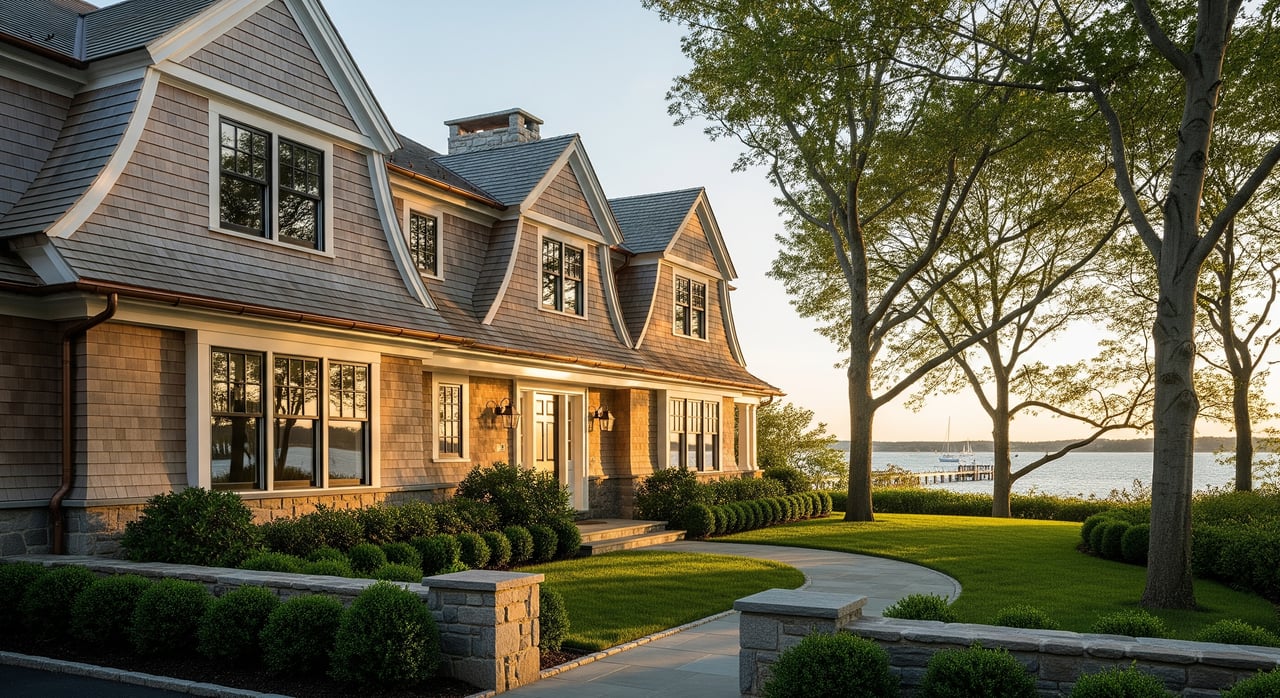
Trying to read the Rye housing market right now? Between higher mortgage rates, lean inventory in popular price bands, and school-year timing, it can feel like a moving target. You want a home that fits your budget and lifestyle without getting caught in bidding fatigue. In this guide, you’ll learn how Rye is moving today, where competition is strongest, and the steps that help you win with confidence. Let’s dive in.
Rye market snapshot
Rye sits on Westchester’s Sound Shore and remains a high-demand coastal community with strong commuter access to Manhattan. Home prices here tend to track above county medians and well above statewide averages. Since 2022, higher mortgage rates have cooled demand at times, though buyers have adjusted by focusing on monthly payments, larger down payments, and active mortgage shopping. Inventory shifts by season and price point, so a fresh MLS snapshot is essential when you are ready to write.
Key takeaway: Mid-price, move-in–ready single-family homes draw the most competition, while luxury and waterfront segments often move at a different pace with longer marketing periods and more room to negotiate.
What inventory looks like
- Single-family homes dominate much of Rye, ranging from modest postwar houses to large historic and newly renovated properties.
- Condominiums and co-ops cluster near downtown and the train station, often offering a lower entry price than single-family homes and appealing to commuters and downsizers.
- Waterfront homes are limited and carry a premium. They come with unique inspection, permitting, and insurance considerations that are different from inland properties.
When inventory is tight, entry-level condos/co-ops and modest single-family homes can see multiple offers, especially spring through early summer. Mid-range, turnkey single-family houses that align with commuter needs often move fastest. High-end and waterfront listings tend to spend longer on market, with negotiations that focus on condition, permits, and lifestyle fit.
Neighborhood notes
- Downtown and the train station area feature walkable blocks, village amenities, and a mix of condos and smaller-lot homes.
- Milton, Greenhaven, and interior neighborhoods are primarily single-family with larger lots and strong interest from households seeking space.
- Rye Neck along the southern edge offers mixed housing and may have different municipal services. Always verify addresses against school-district and municipal boundaries.
- Waterfront, Playland, and Midland corridors command premium pricing and require close attention to coastal zoning, elevation, and flood considerations.
Neighborhood names and boundaries can be informal. Confirm details through official maps and the MLS to avoid surprises on services, fees, and districting.
Seasonality and competition
Spring typically brings the most new listings and buyer activity, which means greater selection along with more competition. Late summer and early fall can see a second wave as families time moves with school calendars, though selection may be tighter than spring. Winter is quieter with fewer new listings, which can reduce competition for buyers who are ready and flexible.
Multiple-offer situations are common for well-priced, move-in–ready homes near transit and community amenities. Sellers often prioritize pre-approval strength, higher earnest money, and clean contingencies. Luxury and waterfront segments often have longer timelines and more negotiation room.
Carrying costs to budget
Westchester property taxes are materially higher than many parts of the country. Your total monthly cost should factor in property taxes, homeowner’s insurance, potential flood insurance, and utilities or maintenance that may be higher for older homes. If a property is in or near a flood zone, insurance premiums and lender requirements can change your budget.
Confirm municipal and school tax rates through the Rye assessor and county records before finalizing an offer. A careful review of historical tax bills helps you avoid surprises post-closing.
Risk checks: flood and inspections
Flood risk matters for coastal communities. Review FEMA flood maps and ask for elevation information when a home is near the Sound or in low-lying areas. If a property lies in a Special Flood Hazard Area, flood insurance will likely be required and should be included in your carrying-cost calculations.
Plan for a full suite of inspections. Standard checks include structural, roof, electrical, plumbing, HVAC, pest, and lead paint for homes built before 1978. Coastal homes may also require bulkhead and seawall assessments, dock permits, and shoreline erosion reviews. Verify sewer connection versus septic, confirm any septic inspections or approvals needed, and investigate whether a property has or once had an underground oil tank.
How to prepare to buy in Rye
Use this quick-prep checklist to get offer-ready:
- Secure a mortgage pre-approval from a lender experienced with Westchester taxes and, where relevant, flood insurance.
- If paying cash or using bridge financing, organize proof of funds and timelines to convey certainty and speed.
- Confirm school district boundaries and enrollment timelines if that is part of your planning.
- Review municipal services, utility costs, and any local assessments that affect monthly expenses.
- Map your commute options and parking permit needs for the Rye Metro-North station and I-95 access.
Being presentation-ready helps your offer stand out, especially in segments where multiple bids are common.
Smart negotiation strategies
Strengthen your first impression with a clear, complete offer package that includes a strong pre-approval or proof of funds. Keep terms concise and closing timelines realistic. In competitive situations, some buyers shorten contingency windows while maintaining protection through specific inspection language.
Plan for appraisal gaps if you bid above list in a tight market. Options may include a larger down payment, a capped appraisal gap guarantee, or a bridge-finance solution vetted by your lender. If you must sell before you buy, consult on local norms and timelines that reduce friction for sellers.
Timing your search
There is no single best month to buy for every household. Spring offers more choices but also more bidding. Late fall and winter can bring fewer competing buyers, though inventory is limited. If school timing matters to you, work backward from enrollment dates and allow time for inspections, financing, and closing.
Commute and lifestyle highlights
Rye offers Metro-North service on the New Haven Line and access to I-95, making it a practical commuter base for many households. Downtown walkability, parks, beaches, and proximity to Playland contribute to lifestyle appeal and help support long-term demand. These features also factor into resale conversations.
Bottom line: A focused plan, a verified budget, and a local search strategy give you a real edge in Rye.
Next steps
If you are eyeing a spring or fall move, now is the time to align budget, lender, and search priorities. Track fresh inventory and days on market by price band, and be ready to act when the right home appears. A local guide can help you weigh tradeoffs between commute, condition, flood risk, and carrying costs so your offer is both strong and smart.
Ready to explore Rye with an expert by your side? Reach out to Elka Raved for buyer representation and a tailored plan for your move.
FAQs
Is Rye, NY a commuter-friendly market?
- Yes. Rye provides Metro-North access on the New Haven Line and I-95 connectivity, which many buyers use for daily or hybrid commuting.
How competitive are offers for single-family homes in Rye?
- Well-priced, move-in–ready single-family homes near transit and community amenities often attract multiple offers when inventory is tight.
Should I be concerned about flood insurance when buying in Rye?
- If the home is near the Sound or on a low-lying lot, check FEMA maps and elevation information. Properties in certain zones may require flood insurance.
When is the best time of year to buy a home in Rye?
- Spring brings more listings and more competition; late fall and winter often bring fewer listings but less competition. Align timing with your needs and financing.
What should I budget beyond the mortgage payment in Rye?
- Plan for property taxes, homeowner’s insurance, possible flood insurance, utilities, and maintenance. Westchester taxes are higher than many areas and can impact total cost.
Do school district boundaries and municipal services vary within Rye?
- Yes. Confirm exact addresses against school-district and municipal maps to verify services, taxes, and enrollment rules before you offer.