Thinking about listing in Mamaroneck and wondering how “near the harbor” stacks up against a classic village street? You are not alone. Micro-location shapes pricing here more than almost anything else. In a coastal market where water views, flood maps, and train access all matter, a smart strategy can add real dollars and save weeks on market. This guide breaks down how to price in the harbor-adjacent pockets versus the village interior, what comps to use, and how to prepare your listing for today’s buyers. Let’s dive in.
Harbor vs. village: what drives price
Harbor-adjacent: lifestyle and premiums
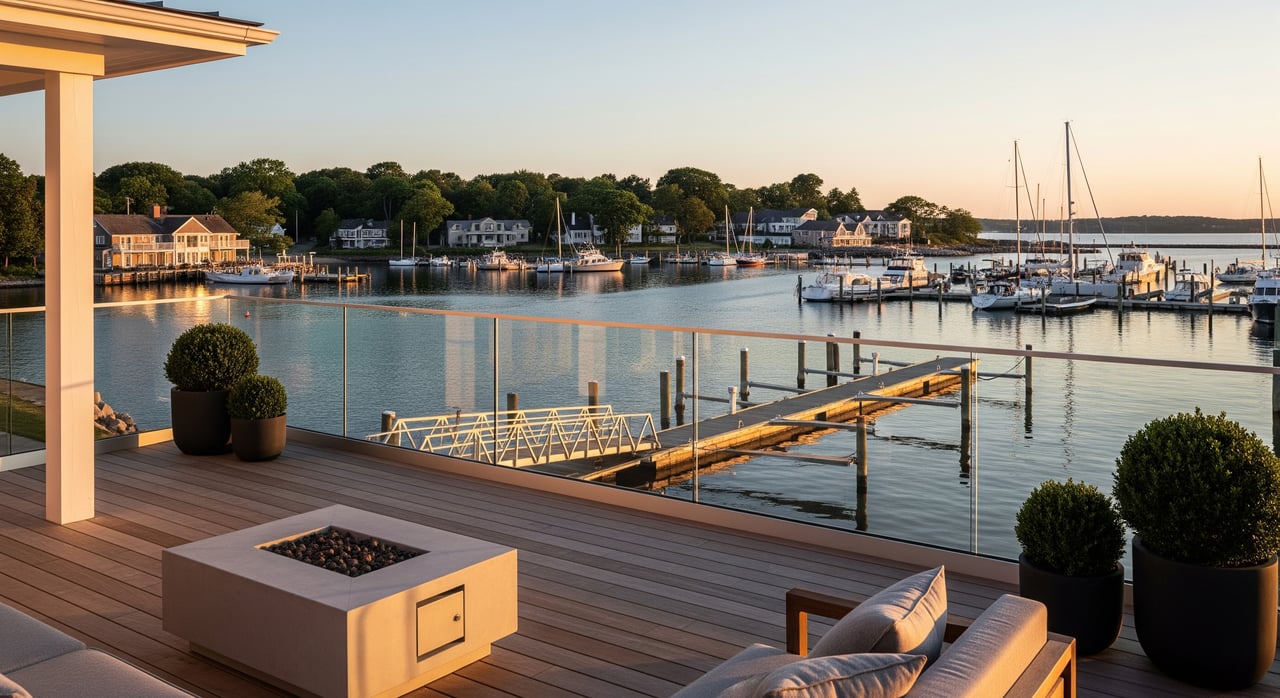
Homes and condos close to the water often carry a premium because of views, private docks, and the coastal lifestyle. Buyers who boat or entertain outdoors will stretch for sunsets and marina access. The strongest premiums tend to show up on properties with clear views, private water access, and well-documented maintenance on bulkheads or docks.
At the same time, flood exposure and insurance costs can pull prices back. Buyers look closely at storm history, elevation, and projected premiums. When risk is high, premiums compress and days on market can rise unless you price with care and present mitigation clearly.
Village interior: convenience and community value
Inside the village, value concentrates around walkability, access to the Mamaroneck station on the Metro-North New Haven Line, and proximity to shops and schools. You often see older housing stock with charming details, smaller lots, and a neighborhood feel. Buyers who prioritize commuting ease and everyday convenience will pay for that lifestyle, especially when systems are updated and parking is straightforward.
While interior homes usually trail true waterfront pricing during strong coastal demand, they can outperform more remote locations because they reduce travel time and ongoing insurance uncertainty. The buyer pool is also broader, which can support faster offers when priced competitively.
Near-water transition blocks
Addresses one or two streets off the harbor sometimes capture part of the view and lifestyle without full flood exposure. These blocks require careful comp selection. Elevated lots, corner parcels, and properties with private parking can outperform nearby listings that lack those features.
Choose comps that actually stick
Start with micro-location first
For both single-family homes and condos, prioritize comps by micro-location. Waterfront compares to waterfront. Near-water compares to near-water. Village interior compares to village interior. Then filter by property type, finished square footage, lot usability, condition, and parking.
Use very recent closed sales when possible. Active listings help gauge competition, not value. OneKey MLS and recent local brokerage reports are your best references for current prices and days on market.
Quantify water features and risk
Buyers and appraisers often express waterfront and view benefits as a percentage premium over comparable interior homes. As a general guideline, desirable water-view or water-access features can support low double-digit percentage premiums when flood risk is modest and documentation is strong. For prime properties with private docks, premiums can be higher. Where risk and insurance costs are significant, the premium may shrink or even flip to a discount. Your price should reflect recent closed sales in the same risk profile.
Factor in condition, updates, and parking
In village interiors, updated systems, finished basements, and flexible outdoor space can drive a stronger number. In both areas, off-street parking or a garage can differentiate you from otherwise similar homes. Make explicit adjustments for condition and utility rather than assuming the market will do it for you.
Flood zones, insurance, and value
Flood zone designation is a major pricing lever in harbor-adjacent areas. Properties in FEMA AE or VE zones face higher perceived risk and may require flood insurance, which shapes buyer affordability and confidence. You can reduce uncertainty by providing clear documentation.
- Pull the official FEMA panel for your address using the Flood Map Service Center. Share the map and any elevation certificate you have. Buyers respond to specifics, not guesses. See the FEMA Flood Map Service Center for property-level panels and guidance.
- Understand how Risk Rating 2.0 influences premiums. Buyers will ask about projected costs. Review FEMA’s overview on updated risk factors to set expectations. Read about the program changes on FEMA’s Risk Rating 2.0 page.
- Showcase mitigation. Elevated utilities, engineered flood vents, maintained bulkheads, and recent seawall work can preserve value and ease appraisal concerns.
When you price, weigh the lifestyle premium against flood-related carrying costs and the size of the buyer pool for that risk category. A transparent risk narrative helps you hold price.
Condo and HOA pricing in Mamaroneck
Monthly fees and reserves matter
For condos and co-ops, buyers evaluate total monthly cost, not just price. Higher HOA dues can lower what a buyer is willing to pay unless amenities and financial health justify the expense. Buildings with strong reserves and a clean history on assessments tend to hold value better and appraise more smoothly.
Review the latest budget, reserve study, and meeting minutes before you set a price. If dues are above nearby alternatives, prepare a side-by-side comparison showing what those dues include and how that affects total cost of ownership.
Waterfront condos and marina amenities
Waterfront condos with marina access or potential boat slips attract a niche buyer who values convenience and dock proximity. Document slip availability, fees, and any shared structure maintenance. Insurance and special assessment exposure for coastal structures should be addressed early so buyers trust your positioning.
Strategy: pricing, positioning, and days on market
Harbor listings: lean into lifestyle, address risk
- Lead with water benefits. Feature drone photos, sunset shots, and the exact distance to marinas or beaches. If there is a private dock, describe size, capacity, and maintenance records.
- Pre-empt risk questions. Provide the FEMA flood map panel, elevation certificate, insurance estimates, and records of resiliency work. Transparency helps protect your premium.
- Choose your posture. If your home is truly unique with strong view corridors and low risk, you can test premium pricing with robust marketing. If the buyer pool is thinner or risk is higher, market-value pricing may give you the best net in less time.
Village listings: emphasize convenience and condition
- Highlight walkability and commute access. Proximity to the Mamaroneck station on the New Haven Line is a major driver for commuter buyers.
- Show the updates. System upgrades, energy efficiency, and flexible living spaces are compelling in older homes. Make parking solutions easy to understand.
- Price to the broader pool. With more buyers in play, an aggressive or market-value strategy can spark competition and shorten days on market.
Picking your pricing posture
- Aggressive pricing: List slightly below probable market value to drive traffic and potential multiple offers. Best when comps point to a tight value band.
- Market-value pricing: Align with tightly matched comps and tell a clear story about your micro-location and updates. Best for balanced time and price.
- Premium pricing: Ask for the top of the range when your features are truly rare. Requires staging, superior visuals, and patience if the right buyer takes time to appear.
Timeline and DOM expectations
Days on market depend on market cycle and price band. Harbor properties can take longer because the buyer pool is smaller and risk questions are more complex. That said, a properly priced, low-risk waterfront home with compelling visuals can move quickly. Village interiors often draw a larger, convenience-focused buyer pool and can sell faster when priced competitively.
Use the most recent OneKey MLS data to benchmark DOM for comparable micro-locations and price points. Compare waterfront to waterfront and village interior to interior, not across categories.
A quick seller prep checklist
- Pull current MLS comps for your micro-location and property type. Include active competition and the last 3 to 12 months of closed sales.
- Confirm flood zone and collect an elevation certificate if available. Prepare estimated insurance costs and mitigation documentation.
- For condos and co-ops, gather HOA bylaws, the latest budget, reserve study, meeting minutes, and any upcoming assessments.
- Compile proof of dock or slip ownership or lease, plus maintenance records.
- Document system updates, energy improvements, and recent permits. Organize receipts and warranties.
- Plan visuals that match your location: drone and golden-hour photos for harbor, lifestyle and walk-to amenities for the village interior.
- Create a one-page buyer cost summary that models mortgage, property taxes, HOA dues, insurance, and typical utilities.
Two smart pricing scenarios
If you are listing near the harbor
Start with closed sales of waterfront or near-water homes that share the same flood zone designation and similar water features. Adjust for view quality, dock presence, lot elevation, and resiliency work. If risk is moderate and lifestyle features are strong, a low double-digit premium over matched interior comps may be justified. If insurance costs are high, consider market-value pricing with a clear disclosure packet to keep momentum.
If you are listing in the village interior
Pull recent sales within close proximity that share similar age, size, and parking. Adjust for updates to systems and kitchens or baths. Pricing slightly below the center of your comp range can widen your buyer pool and invite competition in the first two weeks, especially in spring when activity is highest.
Ready to price with confidence in Mamaroneck?
Whether you are on the harbor or a quiet village street, your best number comes from micro-location comps, a transparent risk story, and a marketing plan that elevates your home’s strengths. If you want a concise pricing brief and a tailored strategy for your address, connect with Elka Raved for a local, concierge-level approach that balances time and price.
Elka Raved can help you gather the right data, set a smart list price, and launch with professional polish.
FAQs
How much does a harbor view or private dock add in Mamaroneck?
- Expect water-view or water-access features to support low double-digit percentage premiums when risk is modest and documentation is strong, and verify the exact range using very recent waterfront comps in the same flood zone.
How does flood risk affect pricing and the sale process?
- Flood zone designation, projected insurance under Risk Rating 2.0, and mitigation steps directly influence buyer confidence; share FEMA maps, elevation certificates, and resiliency records early to support your price and reduce surprises.
What should I review in a condo or co-op before setting price?
- Examine monthly dues, reserve strength, assessment history, insurance coverage, and rental policies; compare total monthly cost and amenities to similar buildings to justify your price.
How long will a Mamaroneck harbor or village home take to sell?
- Timelines vary by market cycle and price band; waterfront can take longer due to a smaller buyer pool, while village interiors often move faster at competitive pricing, so use current MLS DOM for matched micro-locations.
How should I price a condo with higher HOA dues?
- Convert dues into total monthly cost and compare to similar units and nearby single-family options; if dues are high, emphasize amenities and building financials or price at market value to maintain momentum.