Thinking about swapping city sidewalks for sea breezes without losing your coffee, culture, and convenience? If you work in Manhattan but crave a calmer rhythm, Larchmont gives you a walkable village by the Long Island Sound with direct rail access to Grand Central. You get neighborhood energy, waterfront moments, and a tight-knit feel that makes daily life easier for families. In this guide, you’ll see what your days could look like, how commuting works, what the housing stock feels like, and what trade-offs to plan for. Let’s dive in.
Where Larchmont fits
Larchmont is a compact village in the Town of Mamaroneck in Westchester County. It sits along the Long Island Sound and is commonly considered a close-in suburban option for NYC workers. You’re about 15 to 20 miles northeast of Midtown Manhattan, depending on your route.
What you notice first is scale. The train station sits steps from a main street lined with local shops and cafés, so quick errands and stroller-friendly walks fit naturally into your day. The shoreline shapes the vibe too. You’ll see families walking by the harbor, kids on playgrounds near the water, and a sailing culture for those who lean into it.
Larchmont reflects the broader Sound Shore pattern on cost of living. Household incomes, housing costs, and property taxes are generally higher than national averages, and many households include NYC or Westchester commuters. The trade-off is a village lifestyle with space, neighborhood networks, and strong seasonal programming.
A day in the village
Mornings and errands
Most weekdays start on the village main street. You grab coffee, pick up bread from a bakery, schedule a haircut, and swing by a small market or specialty shop. Kids’ appointments, quick dry-cleaning runs, and meetups for playdates all happen on foot when you live near the center.
Local independent businesses anchor the experience. You’ll find kid-focused services, light medical and dental offices, and the kind of retailers that make life with children a little smoother. If you live a bit farther from downtown, a short drive or bike ride keeps errands simple.
Parks and waterfront routines
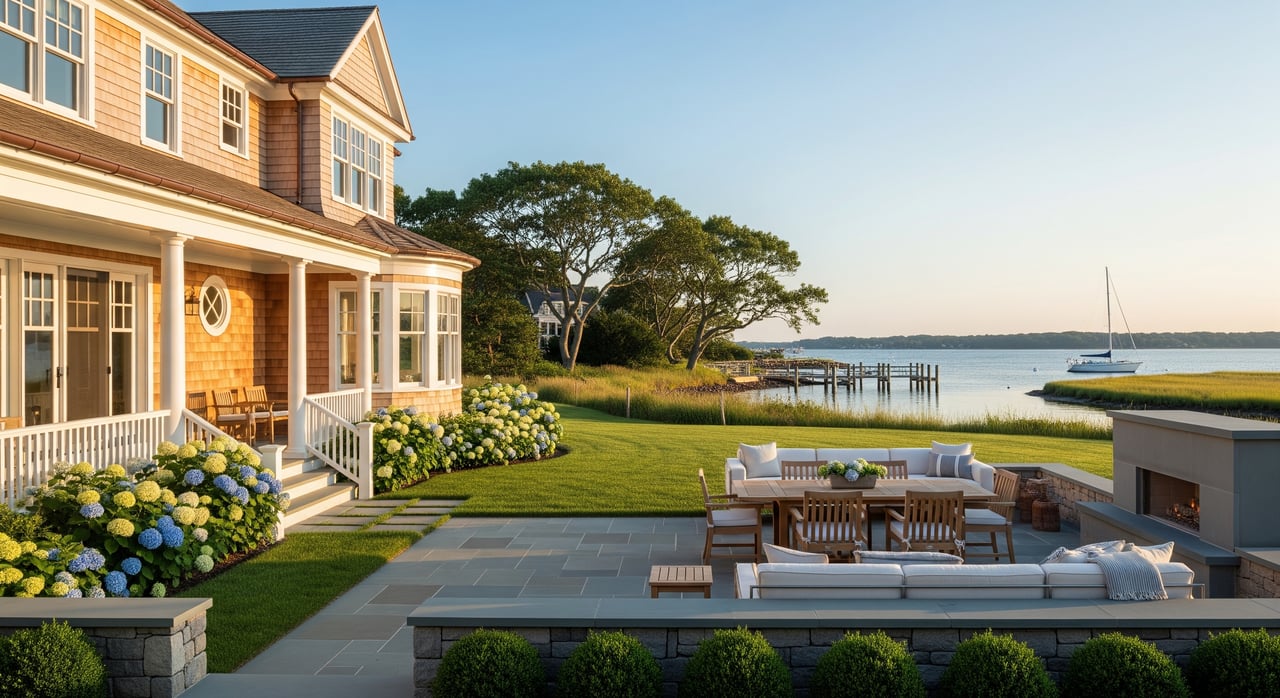
The waterfront is part of your weekly rhythm. After school, it’s easy to head to a playground near the water for a breezy hour before dinner. On weekends, families stroll the shore or watch boats move in and out of the harbor. Recreation departments coordinate youth sports, seasonal camps, and community programs, so your calendar fills with options.
If you like sailing or boating, Larchmont’s culture makes it easy to get involved. If you prefer dry land, you still benefit from open views, picnic spots, and a peaceful change of pace just minutes from home.
Food, dining, and markets
You’ll find casual, family-friendly dining, pizzerias, cafés, and specialty shops for cheese, baked goods, and prepared meals. A local farmers market or weekend market is a regular draw in many Westchester villages, and Larchmont’s community calendar often includes events that bring neighbors together. For a larger grocery run or big-box needs, nearby towns offer full-service stores within a short drive.
Evenings and weekends
Weeknights are relaxed. You might attend a community program, take a twilight stroller walk along the water, or head to a park before bedtime. Weekends often include farmers markets, youth sports, local festivals, and day trips to other Westchester cultural spots. The broader Sound Shore gives you libraries, historic sites, and seasonal activities a short drive away.
Housing and neighborhoods
What homes look like
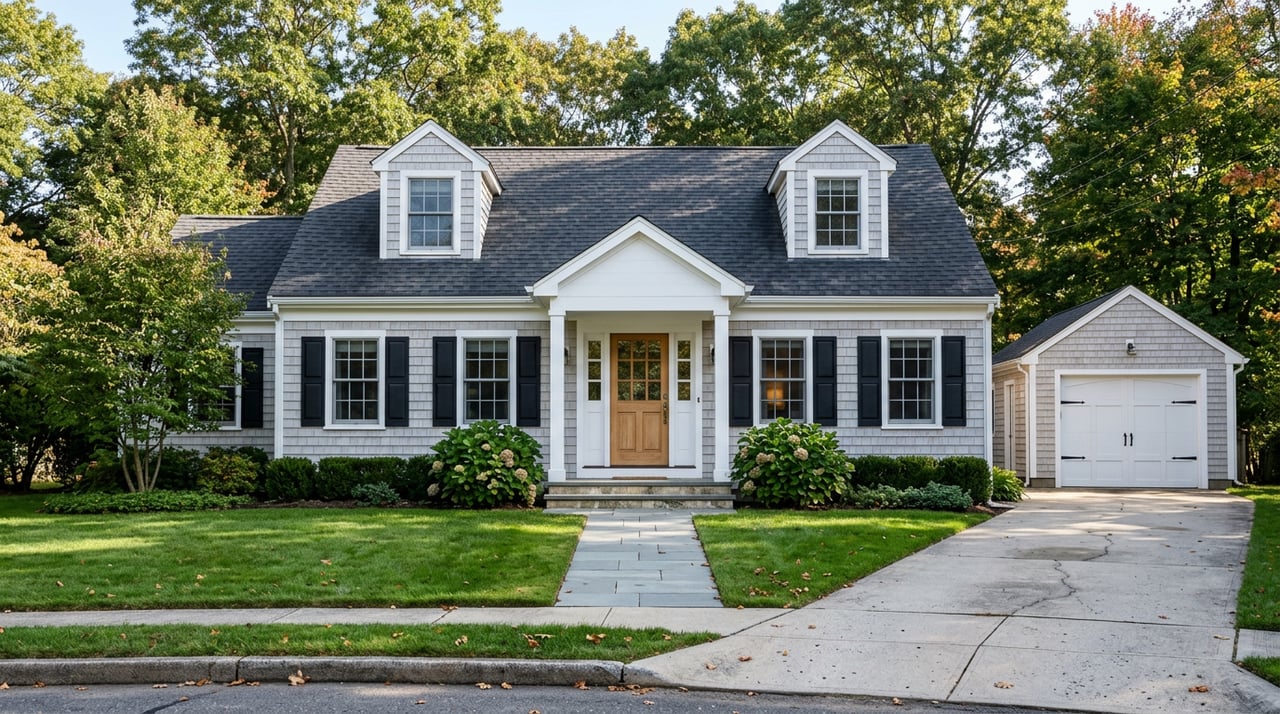
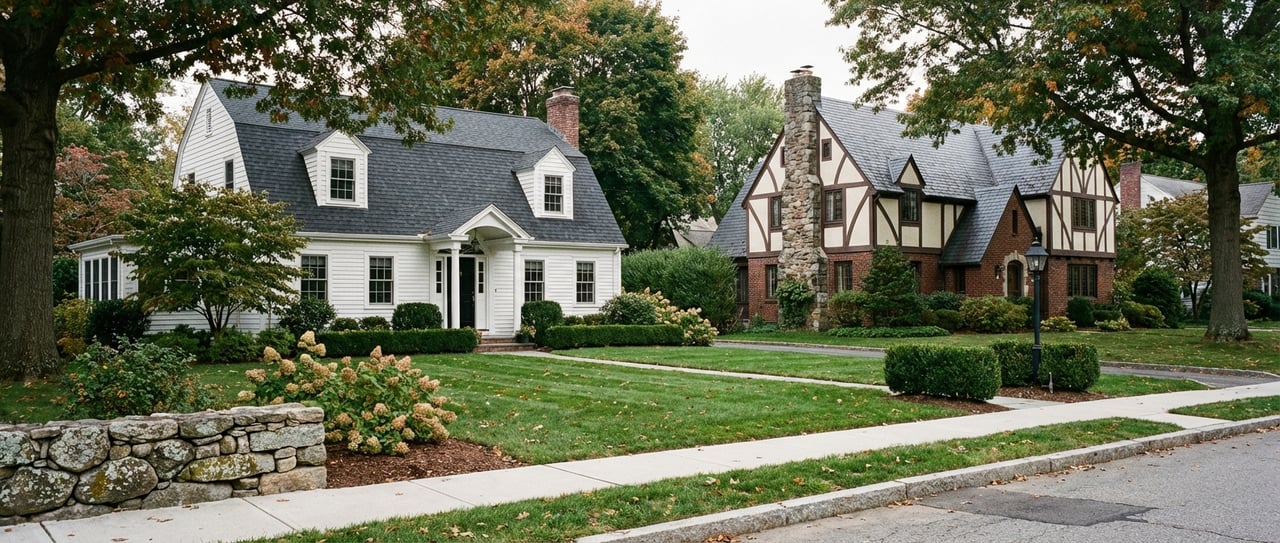
Larchmont’s housing stock leans traditional. You’ll see single-family homes with late-19th and early-20th century character, including Colonial Revival and shingle-style cottages, along with Tudor influences. There are also mid-century homes and pockets of newer construction or renovations. If you want lower maintenance, condominiums and multi-family buildings cluster closer to the village center and the train station.
Lots in the core tend to be modest by suburban standards, which keeps the village walkable and lively. Interior blocks and outer streets generally offer more yard space. Many homes have the kind of small-to-midsize yards that work well for playsets, gardens, and pets.
How areas differ
- Village core near the station and main street: The most walkable choice if you want to do daily errands, after-school activities, and dining without relying on a car for every trip.
- Near-water neighborhoods: These appeal to anyone who values views and easy access to boating culture. They often feel more summer-oriented.
- Interior blocks: Quieter streets and more single-family homes. You trade some walkability for larger yards and a calmer feel.
Price and planning notes
Waterfront Westchester villages typically run above county and national medians for single-family homes. Many NYC buyers plan for higher property taxes and bigger maintenance budgets compared with apartment living. In return, you gain space, a yard, and the village rhythm that draws families here. Your exact budget and target block will depend on the style, yard size, and proximity to the train or water you prefer.
Commuting and getting around
Metro-North to Manhattan
Larchmont is served by Metro-North’s New Haven Line, with direct service to Grand Central Terminal. Trains include local and express patterns, so travel times vary by schedule. Many residents ride from Larchmont, while some choose a nearby station based on express options and parking.
Station logistics matter. Village station parking typically includes permit spaces, some daily options, and street parking where allowed. Availability and waitlists can influence your routine, so it’s smart to review village parking rules before you finalize a plan.
Driving and highways
For regional trips, you have quick access to I-95 and the Hutchinson River Parkway. Off-peak drives to Manhattan can be relatively short, but rush-hour traffic increases travel time. For school drop-offs and errands, most households use a car, especially if they live outside the walkable core.
Buses, ride-hail, and ferries
Westchester County’s Bee-Line buses link nearby villages and train stations, and ride-hail or taxis help with short trips, station drop-offs, and evenings out. Larchmont does not have a commuter ferry to Manhattan as a village feature. Recreational boating is common, but if a ferry commute is important to you, you would look to other Westchester options.
Practical planning for NYC families
Walkability expectations
If you live near the train and main street, you can do most daily needs on foot. The farther you go from the center, the more likely you are to rely on a car or bikes for errands and activities. Many families blend both, walking for coffee and playground time and driving for larger shopping.
Childcare and pediatric care
You have access to private and community preschools, daycares, and pediatric offices in Larchmont and nearby towns. Openings can be tight, so early inquiries and local parent networks help you plan ahead.
Healthcare and hospitals
Primary care and urgent-care services are available locally, with major hospitals and specialized care in nearby cities such as New Rochelle and White Plains, as well as in NYC by car or train. This balance gives you local convenience and regional depth when you need more specialized support.
Taxes, costs, and trade-offs
Property taxes are a key part of budgeting in Westchester. Many families consider the value of more space, a yard, and community programs alongside higher taxes and maintenance compared with city apartments. Commute time variability is another factor to weigh against the benefits of village life.
Seasonality and weather
You’ll feel the seasons here. Summer brings waterfront activity and beach days. Fall is crisp and colorful. Winter storms can affect commuting at times, and coastal nor’easters occasionally shape your plans. Most families adapt quickly with flexible routines and backup commute options.
Community information
Village-level organizations, recreation departments, and parent networks are active. If you want specifics on events, safety programs, or parking rules, you’ll find up-to-date details through official village and county channels. Many families appreciate the clear communication and community rhythm that comes with a smaller, engaged village.
Is Larchmont a fit for you?
You might love Larchmont if you want:
- A walkable village center near a train station.
- A shoreline setting with parks, playgrounds, and boating culture.
- Single-family homes with character and manageable yards.
- A calendar of youth sports, camps, and community programs.
Keep in mind:
- Property taxes and housing costs generally run higher than national averages.
- Commute times vary by schedule and traffic.
- Walkability is strongest near the core and decreases the farther you go from the station.
If you like the idea of morning coffee on main street, an easy train ride to the city, and sunset walks by the water, Larchmont delivers a daily rhythm that feels both grounded and connected.
Ready to explore neighborhoods, compare blocks, and plan a smooth move? Reach out to Elka Raved for boutique, family-focused guidance across Larchmont and the Sound Shore. Get an Instant Home Valuation and a personalized next-step plan tailored to your timeline.
FAQs
Larchmont to Manhattan commute times on Metro-North
- Travel times vary by local versus express schedules on the New Haven Line, with direct service to Grand Central Terminal.
Larchmont walkability for daily errands without a car
- The village core around the train station is compact and walkable for coffee, errands, and after-school activities; outer areas rely more on a car or bikes.
Larchmont housing styles and typical yard sizes
- You’ll see historic Colonial Revival and shingle-style homes, Tudor influences, mid-century options, and condos, with modest lots near the core and larger yards on interior blocks.
Larchmont station parking availability and permits
- Station parking typically includes permits, daily options, and some street parking; availability and waitlists can affect your routine, so review village rules early.
Larchmont family activities and waterfront options year-round
- Expect parks, playgrounds, youth sports, recreation programs, and seasonal camps, plus easy waterfront walks and a local sailing culture in warmer months.
Larchmont property taxes and household budgeting considerations
- Westchester property taxes are a major budget line; many families weigh them against gaining more space, a yard, and strong community programming compared with city living.
Larchmont weather and seasonal commute impacts
- Summer brings active waterfront life, while winter storms and coastal nor’easters can occasionally affect commuting and schedules, so backup plans help.